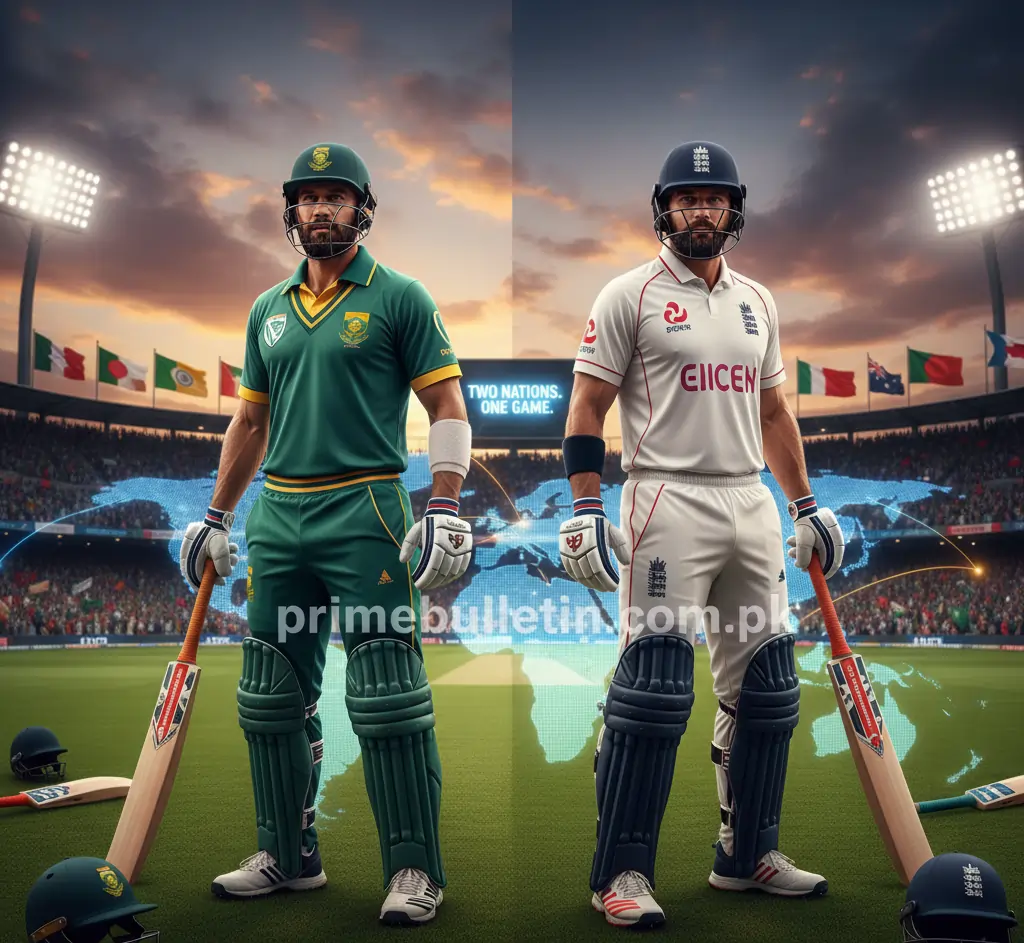
Cricketers representing two nations — celebrating global unity in the world of cricket.
Dual-Nation Legends: The Incredible Journey of Cricketers Who Played for Two Countries
Cricket’s universal appeal crosses boundaries — quite literally. Throughout history, several talented players have had the rare honor of representing two different countries in international cricket.
Whether it was for migration, career opportunity, or eligibility changes, these players have left a permanent mark on the game’s global story.
Below is the complete 2025 updated list of cricketers who proudly wore the jerseys of two nations — along with their key achievements and timelines.
Cricketers Who Represented Two Countries
1. Kepler Wessels – Australia & South Africa
-
Australia: 1982–1985
-
South Africa: 1991–1994
Wessels was the pioneer of dual representation, first playing for Australia before captaining South Africa after its readmission to world cricket.
2. Eoin Morgan – Ireland & England
-
Ireland: 2006–2009
-
England: 2009–2022
Morgan led England to their first-ever ICC World Cup victory (2019) and remains a symbol of leadership and innovation.
3. Luke Ronchi – Australia & New Zealand
-
Australia: 2008
-
New Zealand: 2013–2017
Ronchi is one of the few wicketkeeper-batters to represent two Test nations — his switch back to New Zealand rejuvenated his international career.
4. Ed Joyce – England & Ireland
-
England: 2006–2007
-
Ireland: 2001–2018
Joyce played a crucial role in Ireland’s rise to Test status, combining talent and experience from both cricketing systems.
5. Boyd Rankin – Ireland & England
-
Ireland: 2007–2012, 2016–2019
-
England: 2013–2014
Rankin joined the elite list of bowlers to play Test matches for two nations, showcasing his strength in fast bowling.
6. Dirk Nannes – Netherlands & Australia
-
Netherlands: 2009
-
Australia: 2009–2010
Nannes made headlines by representing both nations in T20s within the same year — a rare ICC-approved record.
7. Mark Chapman – Hong Kong & New Zealand
-
Hong Kong: 2014–2016
-
New Zealand: 2018–Present
Chapman continues to perform in white-ball cricket, strengthening New Zealand’s middle order.
8. Gavin Hamilton – England & Scotland
-
England: 1999
-
Scotland: 1995–2010
Hamilton’s long-term service to Scotland defines his enduring passion for the sport.
9. Xavier Marshall – West Indies & USA
-
West Indies: 2005–2009
-
USA: 2019–Present
Marshall’s move to the U.S. cricket team highlights the growth of the game in North America.
10. Hayden Walsh Jr. – USA & West Indies
-
USA: 2018–2019
-
West Indies: 2019–Present
A leg-spinner known for versatility, Walsh is among modern cricket’s most successful dual representatives.
11. David Wiese – South Africa & Namibia
-
South Africa: 2015–2016
-
Namibia: 2021–Present
Wiese became the T20 World Cup hero for Namibia, embodying resilience and experience.
12. Roelof van der Merwe – South Africa & Netherlands
-
South Africa: 2009–2010
-
Netherlands: 2015–Present
Van der Merwe’s all-round energy has made him a consistent performer in international cricket.
13. Anderson Cummins – West Indies & Canada
-
West Indies: 1991–1995
-
Canada: 2007
Cummins holds the rare distinction of playing World Cups for two nations — a feat achieved by very few.
14. Corey Anderson – New Zealand & USA
-
New Zealand: 2013–2018
-
USA: 2021–Present
Once the record holder for the fastest ODI century, Anderson now contributes to the growth of U.S. cricket.
15. Rusty Theron – South Africa & USA
-
South Africa: 2010
-
USA: 2019–2021
Theron brought his fast-bowling experience to help develop USA’s emerging cricket scene.
Notable Mentions
-
Imran Tahir – Born in Pakistan, represented South Africa.
-
Ali Khan – Pakistani-born fast bowler, represents USA.
-
Sami Aslam – Former Pakistan opener, now eligible for USA.
ICC Eligibility Rules for Dual-Nation Players
According to the ICC’s player eligibility criteria, cricketers can switch allegiance if they:
-
Hold valid citizenship or permanent residency of the new country.
-
Complete a 3-year cooling-off period since last representing their previous country.
-
Participate in the domestic circuit of their new country.
These regulations ensure fairness and preserve the competitive balance in world cricket.
Conclusion
From Kepler Wessels’ trailblazing dual career to Eoin Morgan’s World Cup glory and David Wiese’s modern-day heroics, these athletes embody cricket’s true global nature.
They remind us that cricket unites nations — proving that passion, skill, and opportunity know no boundaries.
FAQs — Cricketers Who Represented Two Countries
Q1: Who was the first player to represent two countries?
Kepler Wessels — first played for Australia, later captained South Africa.
Q2: Which players have represented Ireland and England?
Eoin Morgan and Ed Joyce both featured for Ireland and England.
Q3: Can any cricketer switch countries?
Not immediately. The ICC mandates citizenship and a 3-year waiting period.
Q4: Who are currently active dual-country players?
David Wiese (Namibia), Mark Chapman (New Zealand), Roelof van der Merwe (Netherlands).
Q5: Has anyone played World Cups for two nations?
Yes — Kepler Wessels, Eoin Morgan, and Anderson Cummins.
About the Author