
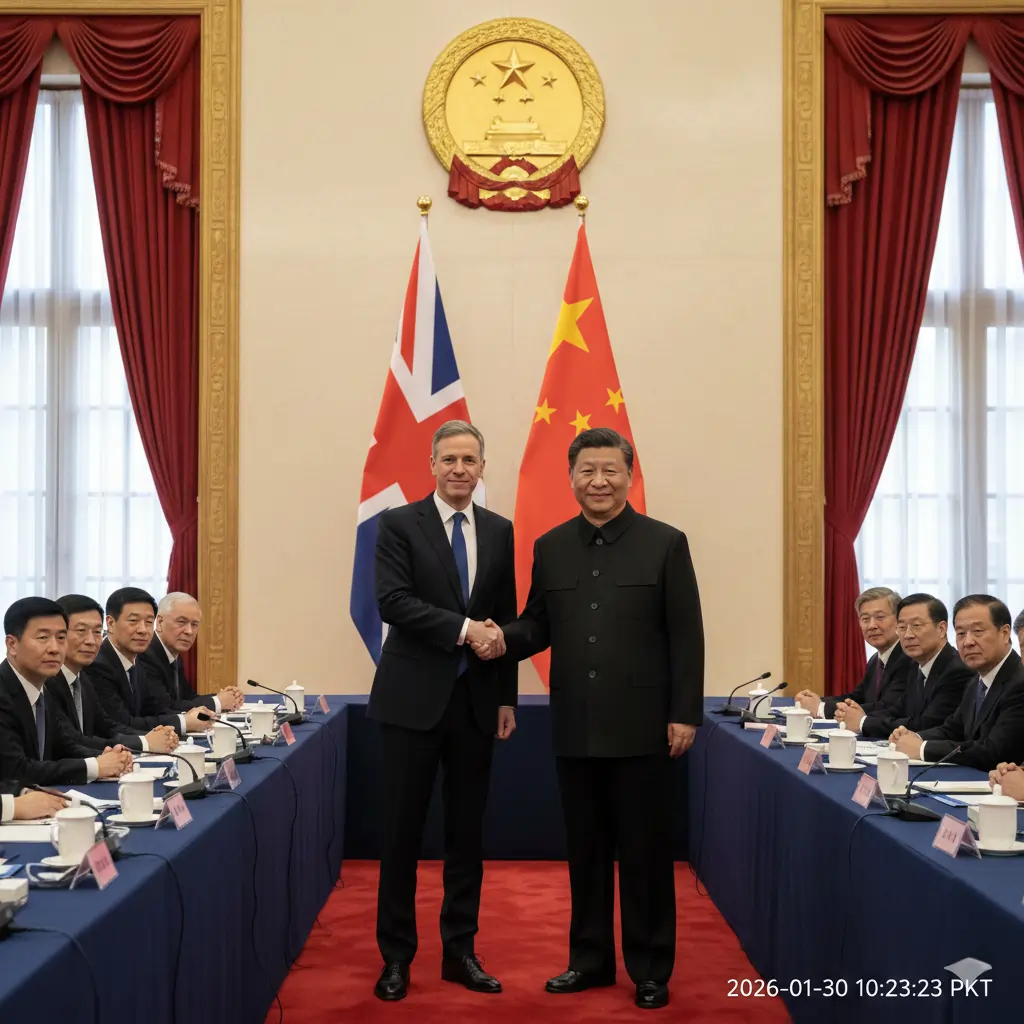
UK Prime Minister Sir Keir Starmer meets Chinese President Xi Jinping in Beijing, strengthening UK-China trade and investment ties
Historic UK-China Engagement
UK Prime Minister Sir Keir Starmer visited Beijing, China in January 2026 for a landmark three-day trip aimed at enhancing UK-China diplomatic and economic ties. This visit marks the first UK leader visit since 2018, signaling renewed focus on global trade, investment, and cooperation.
During his meetings with President Xi Jinping, Starmer highlighted the UK’s commitment to inclusive economic partnerships, sustainable growth, and mutually beneficial collaborations.
Major Agreements and Business Opportunities
Starmer’s visit produced several key agreements:
-
Visa-free travel for UK citizens, promoting tourism and business mobility
-
Reduced tariffs on UK whisky exports, boosting trade revenue
-
£10.9 billion AstraZeneca investment for manufacturing facilities in China
-
Strengthened cooperation on organized crime prevention and immigration management
These agreements position the UK as a strategic partner for China, while opening new opportunities for British businesses, innovators, and investors.
Trump’s Warning and Global Context
Former US President Donald Trump warned that it is “very dangerous” for the UK to deepen business ties with China. He extended similar concerns to Canada, reflecting broader geopolitical sensitivities.
Despite these warnings, Downing Street clarified that the US was aware of the visit and its objectives, highlighting that diplomatic engagement with China is a balanced approach for global trade strategy.
Business Community Perspective
The British Chamber of Commerce in China praised Starmer’s visit as “successful,” emphasizing the importance of engaging with one of the UK’s largest trading partners.
Chris Torrens, Chair of the Chamber, highlighted that other Western leaders are also engaging with China, and while some nations face criticism for economic cooperation with China, these deals are strategically important for long-term growth and global competitiveness.
Criticism and Inclusive Governance
While the trip was widely praised, some opposition MPs raised concerns. Shadow Home Secretary Chris Philp warned about potential risks to national security.
The government, however, emphasized that these agreements balance security and economic interests, reflecting a transparent, inclusive, and forward-looking foreign policy that benefits businesses, citizens, and international partners alike.
Global Trade and Economic Significance
The UK’s largest trading partner in 2025 was the US, with China ranking fourth. Starmer’s visit represents a strategic effort to diversify trade, strengthen investment channels, and enhance cooperation in areas such as healthcare, education, and technology.
FAQs
Q1: Why did Keir Starmer visit China in 2026?
A1: Starmer visited China to strengthen UK-China trade, investment, and diplomatic relations, while opening new opportunities for British businesses and enhancing cooperation in key sectors.
Q2: What agreements were signed during the visit?
A2: Agreements include visa-free travel, reduced whisky tariffs, £10.9bn AstraZeneca investment, and cooperation on crime and immigration prevention.
Q3: How did Donald Trump react to the visit?
A3: Trump warned that deeper UK-China economic ties are “very dangerous,” echoing concerns for Canada. However, the UK clarified that the US was informed of the trip and its objectives.
Q4: How does this visit impact UK businesses?
A4: The visit boosts trade, attracts investment, and opens new market opportunities, strengthening UK-China business relations and economic growth.
Q5: Are there security risks in engaging with China?
A5: Some MPs raised concerns, but the government states that agreements are strategically balanced, ensuring economic benefits while maintaining national security and transparency.
About the Author