Sweden’s revolutionary waste-to-energy system transforms garbage into clean power — proving that sustainability can be profitable
Turning Trash into a Treasure Trove
In a world overflowing with garbage, Sweden has turned trash into treasure.
While many countries struggle to manage waste, Sweden found a way to earn millions of dollars by recycling and generating clean energy from it.
Through its revolutionary waste-to-energy system and smart recycling, Sweden has achieved a remarkable goal — less than 1% of its waste goes to landfills. The rest is recycled, reused, or converted into electricity and heat.
How Sweden Turns Trash into Energy
Sweden doesn’t see waste as a problem — it sees potential.
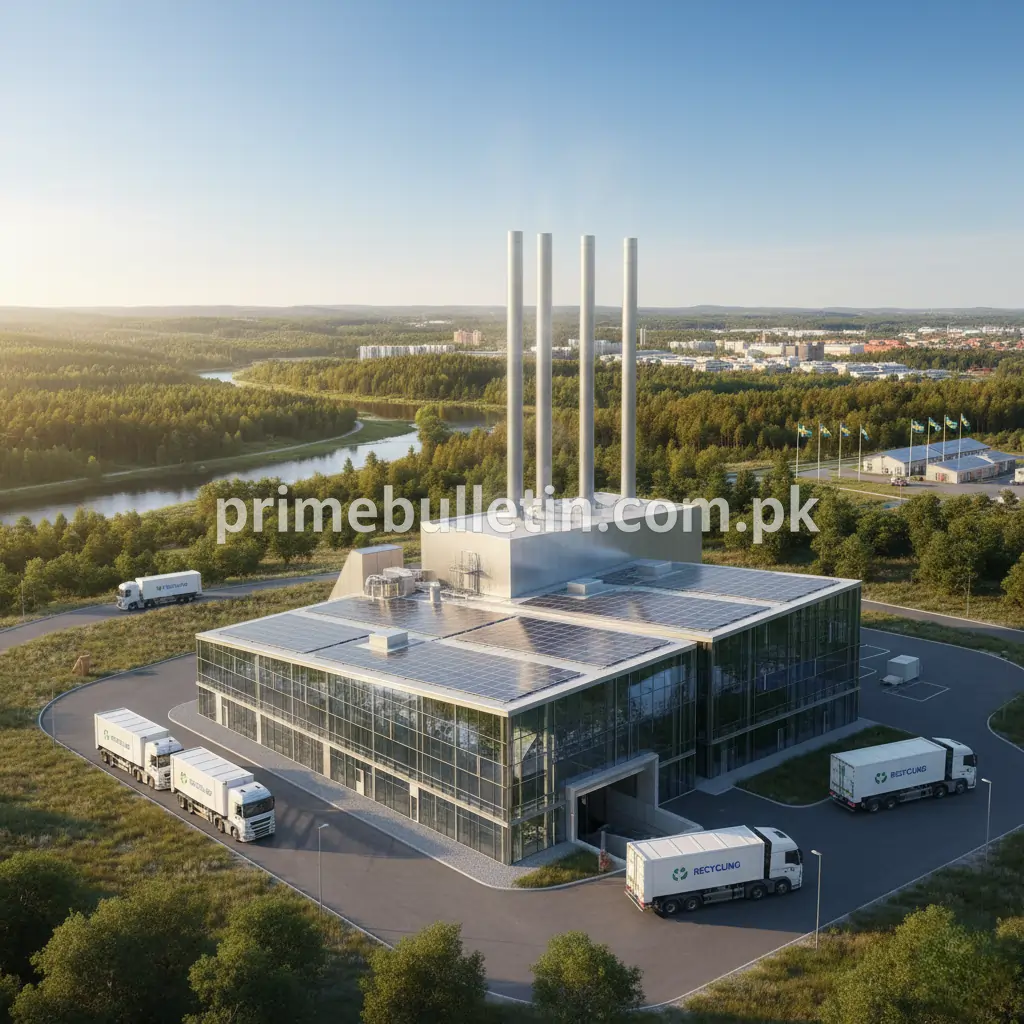
The country operates over 30 advanced waste-to-energy (WtE) plants that convert non-recyclable trash into useful energy.
Here’s what happens inside these facilities:
-
Waste is burned at high temperatures.
-
The heat is converted into electricity and steam.
-
This energy powers more than one million homes across Sweden.
Unlike old-fashioned incineration, Sweden’s process is clean and efficient.
Modern filters capture toxic gases, making it one of the most eco-friendly systems in the world.
How Sweden Makes Money by Importing Waste
Here’s the part that surprises most people — Sweden imports garbage from other countries.
Nations like Norway, the United Kingdom, and Italy actually pay Sweden to take their trash.
Why? Because Sweden’s recycling and energy systems are more advanced and cost-efficient than theirs.
This imported waste helps Sweden generate energy and profit at the same time.
The country earns over $100 million every year by combining energy production with import fees.
In simple words — other countries pay Sweden to power its homes.
The Circular Economy: Nothing Goes to Waste
Sweden’s approach is built on a powerful concept — the circular economy.
In this system, waste is not the end of a product’s life. Instead, it’s the beginning of something new.
Here’s how the Swedish Waste Cycle works:
-
Households separate recyclable materials like glass, plastic, metal, and paper.
-
Recycling plants process and reuse them.
-
Non-recyclable items are converted into energy.
-
Ash and residue are used to build roads.
-
Only about 1% of waste goes to landfills.
This continuous loop not only reduces pollution but also creates green jobs and encourages innovation.
Government Support and Public Awareness
Sweden’s success didn’t happen overnight.
It’s the result of strong government support and an aware population that believes in sustainability.
Key Reasons for Sweden’s Success
-
Strict recycling laws ensure citizens sort their waste correctly.
-
Color-coded bins make recycling easy and accessible.
-
Tax incentives motivate businesses to use recycled materials.
-
Investment in clean energy keeps the system efficient and profitable.
This teamwork between the government, companies, and people makes Sweden’s model one of the best in the world.
Other Countries Following Sweden’s Footsteps
Sweden’s waste revolution has inspired many nations.
Countries like Germany, Japan, Singapore, and South Korea have started using similar waste-to-energy methods.
Developing nations across Asia, Africa, and the Middle East are also exploring this model.
To succeed, they need to:
-
Build reliable recycling and energy plants.
-
Encourage citizen-level recycling habits.
-
Support green business startups.
-
Promote education and awareness about waste management.
If implemented properly, waste can become a billion-dollar industry — creating jobs and saving the environment at the same time.
Sweden’s Waste-to-Wealth Model in Numbers
| Category | Achievement |
|---|---|
| Waste recycled | 99% of household waste |
| Landfill waste | Less than 1% |
| Imported trash | Over 2 million tons per year |
| Annual profit | $100+ million |
| Energy supplied | 1 million+ homes |
| Jobs created | 10,000+ green jobs |
These numbers prove that environmental responsibility and economic growth can go hand in hand.
Environmental and Economic Benefits
Sweden’s waste management system has changed the country — both economically and environmentally.
Here’s how:
Cuts down carbon emissions by replacing fossil fuels
Reduces pollution and landfill waste
Creates thousands of green jobs
Generates clean electricity and heat
Improves public health by eliminating toxic dumps
It’s a model that saves the planet and earns profit at the same time.
What the World Can Learn from Sweden
If every country treated garbage as a resource, our planet could become cleaner, greener, and more prosperous.
Key Lessons from Sweden
-
Waste is wealth — when managed smartly.
-
Education and technology are equally important.
-
Recycling creates jobs and cleaner cities.
-
Sustainability attracts investment and global trust.
Sweden proves that protecting the environment can also power the economy.
FAQs — Making Money from Trash
1. Which country makes the most money from trash?
Sweden is a global leader. Its waste-to-energy plants and recycling systems earn millions of dollars each year.
2. How does Sweden’s waste-to-energy process work?
Waste is burned in eco-friendly plants, and the heat produced generates electricity and heating for homes.
3. Why do other countries send their trash to Sweden?
Because Sweden’s system is cleaner and more efficient, allowing waste to be safely recycled and reused.
4. Can developing countries copy Sweden’s model?
Yes. With proper investment and awareness, they can create jobs, generate energy, and protect the environment.
5. How can individuals make money from trash?
You can sell recyclables, start composting, create upcycled products, or partner with local recycling startups.
From Waste to Wealth in Swedish Way
Sweden’s success shows that trash is not just waste — it’s opportunity.
By using innovation, technology, and teamwork, Sweden has built a clean and profitable system that benefits both people and the planet.
As the world faces growing waste challenges, Sweden remains a role model — proving that green business is smart business.
About the Author